


In This Article
Key Takeaways
- ◆Xi Jinping's state visit runs from 23 to 25 September 2026. The White House talks and state dinner are on Thursday 24 September, and the outcome is unknown as of 23 September 2026.
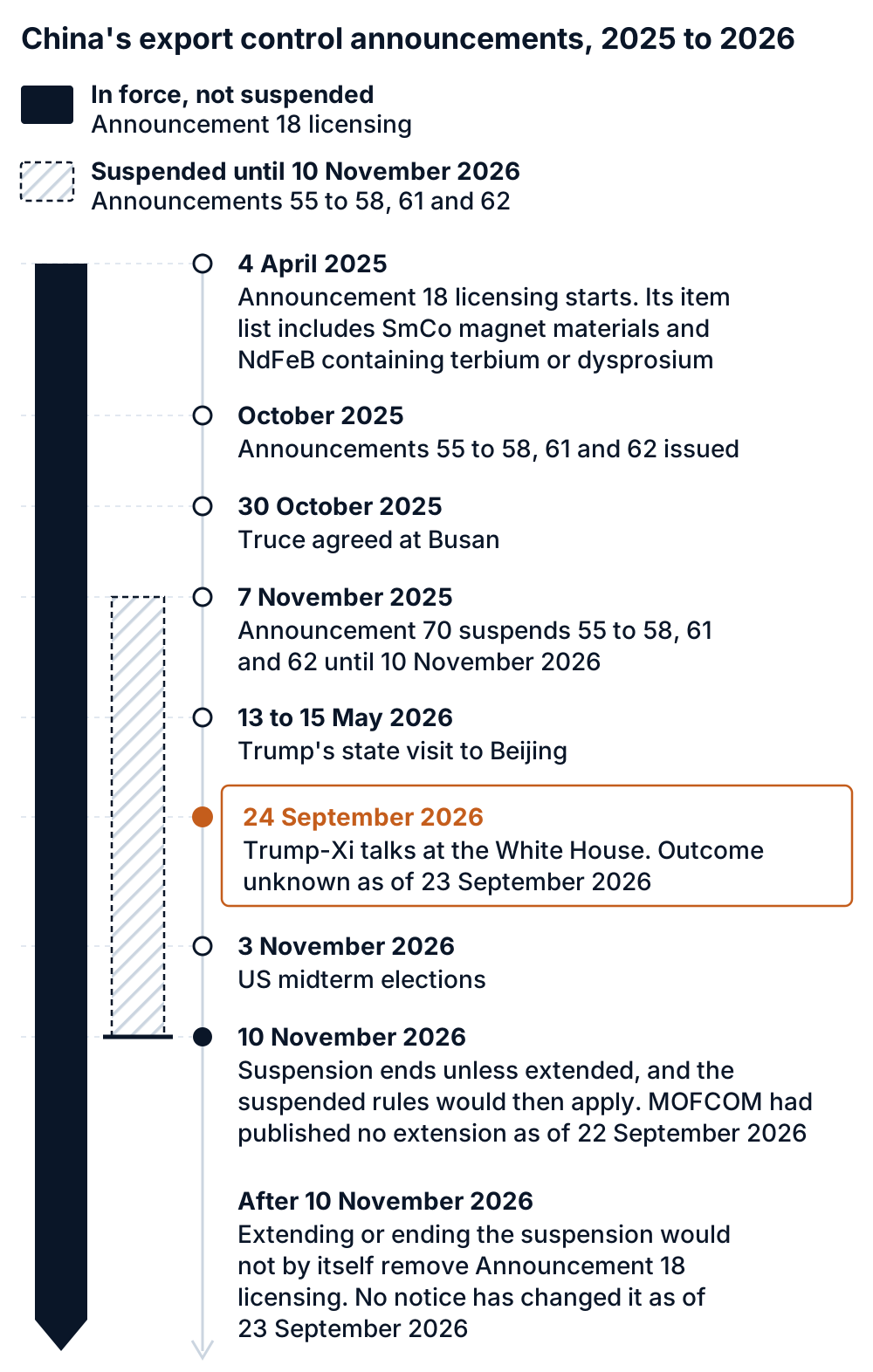
- ◆Announcement 18 of 4 April 2025, which requires export licences for NdFeB magnet materials containing terbium or dysprosium, was never suspended. Announcement 70 does not list it, and as of 23 September 2026 no notice has changed it.
- ◆Announcement 70 suspends Announcements 55 to 58, 61 and 62 only until 10 November 2026. No extension had been published as of 22 September 2026.
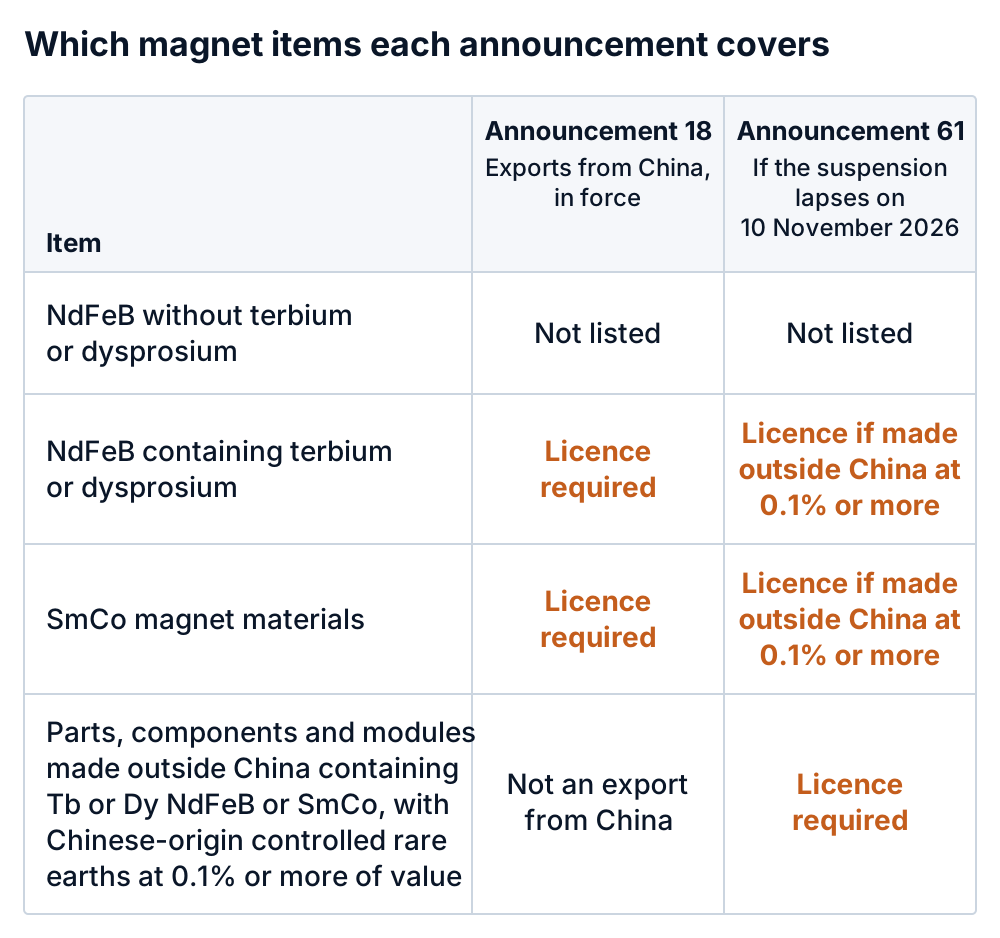
- ◆If the suspension lapses, Announcement 61's 0.1% value rule would reach SmCo magnet materials, NdFeB containing Tb or Dy, and parts and modules containing them. Dy/Tb-free NdFeB is outside its item list, but composition and the exporter's classification still decide whether a licence is needed.
- ◆China's rare earth magnet exports to the US were 512 t in August 2026, down 20% from July and 13% year on year, according to Chinese customs data reported by the FT.
- ◆CSIS reported on 22 September 2026 that the US offered a six-month extension against China's request for two years.
What happens in Washington on 24 September
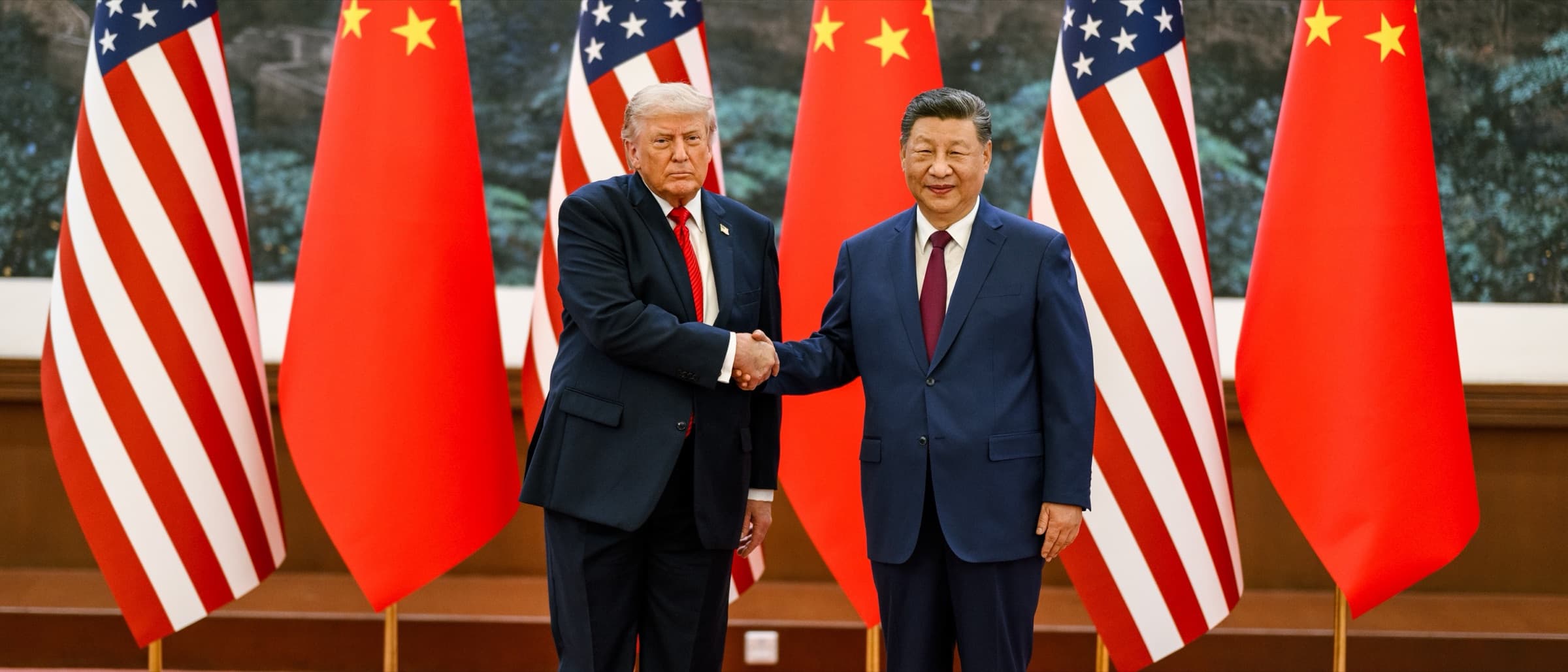
Xi Jinping is on a state visit to the United States from 23 to 25 September 2026 (China's foreign ministry, 21 September). His summit talks with Donald Trump are at the White House on Thursday 24 September (Reuters via Investing.com), followed by a state dinner (White House schedule).
As of 23 September 2026 the outcome is not known. For magnet buyers the question is whether the two sides extend the truce agreed at Busan on 30 October 2025 (White House fact sheet), under which China's October 2025 rare earth rules are suspended only until 10 November 2026.
China's April 2025 licensing of NdFeB magnets containing terbium or dysprosium sits outside that suspension. Announcement 70 does not list it, so extending or ending the suspension would not by itself remove it, and as of 23 September 2026 no notice has changed it. It is Xi's first state visit to Washington since 2015 (CSIS, 22 September; AP via PBS) and the second in-person meeting between the two leaders this year, after Trump's state visit to Beijing from 13 to 15 May (China's foreign ministry, 11 May 2026; White House fact sheet, 17 May 2026). This page will be updated after the official readouts.
Key insight
Reviewed on the evening of 23 September 2026, before the White House talks.
What an extension or a lapse leaves in place
MOFCOM and customs Announcement 18 of 4 April 2025 requires export licences for items related to seven medium and heavy rare earths: samarium, gadolinium, terbium, dysprosium, lutetium, scandium and yttrium.
Its item list includes samarium-cobalt magnet materials and NdFeB magnet materials containing terbium or dysprosium. Announcement 18 was never suspended. Under Decree 792, Article 17, a decision is due within 45 working days after an application is accepted, with exceptions and excluded time.
In practice approvals have often taken months, MERICS reported in October 2025. Our guide to Announcement 18 and MOFCOM licensing covers item classification and the single and general licence routes.
The 10 November 2026 deadline
Announcement 70 of 7 November 2025 suspends Announcements 55 to 58, 61 and 62 only until 10 November 2026. MOFCOM had published no extension as of 22 September 2026. Asked about the deadline on 21 September, foreign ministry spokesperson Guo Jiakun referred the question to the competent authorities (transcript).
The truce expires one week after the US midterm elections on 3 November (CNBC, 21 September). If the suspension lapses, the rule that reaches magnets made outside China is Announcement 61. Its 0.1% value rule covers samarium-cobalt magnet materials, NdFeB magnet materials containing terbium or dysprosium, and parts, components and modules containing them, where Chinese-origin controlled rare earth materials make up 0.1% or more of the item's value (CSET translation).
The same magnet items are covered by its rule on products made abroad with Chinese rare earth technology. NdFeB without terbium or dysprosium is on neither list. Announcement 57, also suspended, would add items of holmium, erbium, thulium, europium and ytterbium, including holmium-containing permanent magnet materials.
A grade label does not settle either list; whether a part needs a licence depends on its actual composition and the exporter's classification.
Where the extension talks stand
CSIS reported on 22 September that China had asked for a two-year extension and that Treasury Secretary Bessent had offered six months. Reuters reported on 23 September that Bessent was "fine with both" continuing the Busan arrangement or examining a bigger deal China had proposed, and that US officials had told reporters the previous week that China's rare earth delivery "has not been up to par" (Reuters via Investing.com).
US Trade Representative Greer was blunter, as quoted by the South China Morning Post: "They have limited rare earth exports. They've controlled them." European buyers have a second date.
EU trade commissioner Šefčovič is due in Beijing on 8 and 9 October, and Brussels is pressing China to maintain its suspension of the rare earth restrictions (Euronews, 17 September).
What the August export data shows
Chinese customs data reported by the Financial Times show rare earth magnet exports to the US fell to 512 t in August 2026, down 20% from July and 13% from August 2025 (CNBC, 23 September). China's rare earth magnet exports to all destinations were 5,010 t in August, down 6% on the month and 18% on the year, according to Shanghai Metals Market on 20 September.
The US tariff side
The Supreme Court struck down the IEEPA tariffs on Chinese goods on 20 February 2026 (opinion), while the 25% Section 301 duty on specified Chinese permanent magnets under HTS 8505.11.00 has applied since 1 January 2026 (our Section 301 guide).
The forced-labour Section 301 duty of 12.5% on Chinese goods, in force since 24 July 2026, stacks on existing duties. As of 23 September 2026, U.S. note 52(b) of its annex exempts 8505.11.0070, sintered NdFeB, but other 8505.11 lines such as sintered SmCo are not on that list, so confirm the line and rate for each entry with your customs broker.
What to do this week
These steps hold whichever way the readout goes.
- ●Ask your supplier whether its general licence names your company, and when it expires. Reuters reported on 2 December 2025 that China had issued its first one-year general licences to three large magnet makers, each tied to named buyers (MINING.COM). If those licences run for the reported year, they lapse around December 2026, after the 10 November date. If your company is not named, ask how your orders will be licensed and plan on the review time.
- ●Plan stock through October and November. China's National Day holiday runs from 1 to 7 October (China Briefing), and 10 November is about seven weeks after the talks. Our view is that orders for Dy- or Tb-containing magnets needed before the end of the year should not wait for the readout. Those magnets need Announcement 18 licences. A lapse would also bring Announcement 61 into force for parts and modules made outside China that contain them.
- ●Keep end-use records tight and word audit requests with care. Reuters reported on 4 September that a handful of Chinese suppliers had refused some rare earth shipments to US companies since early August, fearing punishment for complying with Responsible Minerals Initiative due diligence after China sanctioned the Responsible Business Alliance (Reuters via The Edge; Morrison Foerster on the listing). The same report said several US firms had recently received multiple licences after long waits. Before sending an RBA- or RMI-branded questionnaire, agree with the supplier what information it can provide. Your own due-diligence obligations still apply.
- ●Do not ask a supplier to reclassify or reroute a controlled item, or to modify it or split it into parts or components. Article 39 of Decree 792 lists evading licensing by modifying items or splitting them into parts or components as a violation.
- ●Check whether a grade with less Dy or Tb, or a grain boundary diffusion route, fits your operating temperature (how the two routes compare). A diffused magnet still contains terbium or dysprosium, and a grade sold as heavy rare earth free still needs its actual composition classified, so neither removes the licence question. If the suspension lapses, a grade that replaces some dysprosium with holmium also has to be checked against Announcement 57, which lists holmium-containing permanent magnet materials.
Frequently Asked Questions
What did Trump and Xi agree on rare earths?
+
As of 23 September 2026, nothing has been announced. The Trump-Xi summit talks are at the White House on 24 September 2026, during Xi's state visit of 23 to 25 September. The main rare earth question is whether China's suspension of its October 2025 export rules is extended beyond 10 November 2026. This page will be updated after the official readouts.
Will China extend the rare earth export control suspension after November 10 2026?
+
No extension had been announced as of 23 September 2026, the day before the Trump-Xi summit talks. Announcement 70 suspends Announcements 55 to 58, 61 and 62 only until 10 November 2026, and MOFCOM had published no extension as of 22 September. CSIS reported that the US offered six months against China's request for two years.
Do NdFeB magnets without dysprosium or terbium need a Chinese export licence?
+
A magnet made without terbium or dysprosium falls outside the NdFeB item in Announcement 18 of 4 April 2025, and outside the same group in Announcement 61 if that rule takes effect after 10 November 2026. Announcement 18 sets no general trace-content threshold, and Announcement 57 would add holmium and four other rare earths if the suspension lapses. Whether a shipment needs a licence depends on its actual composition and the exporter's classification. A grade label such as HREE-free does not settle it.
What happens to magnet supply if the US-China trade truce expires?
+
If China's suspension of its October 2025 rare earth export rules lapses on 10 November 2026, Announcement 61's 0.1% value rule would take effect. That rule was due on 1 December 2025 but was suspended before it started. It would require Chinese licences for SmCo magnet materials, NdFeB containing terbium or dysprosium, and parts and modules containing them, made outside China with Chinese-origin controlled rare earth materials worth 0.1% or more of the item's value. Announcement 57 would add holmium, erbium, thulium, europium and ytterbium items. Announcement 18 licensing, in force since 4 April 2025, is not part of the suspension, and as of 23 September 2026 no notice has changed it.
How long does a MOFCOM rare earth export licence take?
+
Decree 792, Article 17 provides for a decision within 45 working days after an application is accepted, with exceptions and excluded time. MERICS reported in October 2025 that approvals have often taken months. Reuters reported on 4 September 2026 that some US firms had waited more than six months for mineral licences.
Does a China rare earth general licence cover my company?
+
A general licence of the kind China has issued to magnet makers covers your orders only if it names your company. Reuters reported on 2 December 2025 that the first one-year general licences went to three large magnet makers, each tied to named buyers (MINING.COM). If those licences run for the reported year, they lapse around December 2026, after the 10 November 2026 truce date. If your supplier's licence does not name your company, ask how your orders will be licensed. Under Decree 792 a decision is due within 45 working days after an application is accepted, with exceptions, and approvals have often taken months.
Does the Section 301 tariff apply to Chinese neodymium magnets in 2026?
+
For magnets classified under HTS 8505.11.00, yes. A 25% Section 301 duty has applied to specified Chinese permanent magnets under that heading since 1 January 2026. Bonded magnets, other headings and finished motors need their own classification. As of 23 September 2026, U.S. note 52(b) of the annex to the 12.5% forced-labour Section 301 duty on Chinese goods, in force since 24 July 2026, exempts 8505.11.0070, sintered NdFeB; other 8505.11 lines are not on that list. The IEEPA tariffs ended after the Supreme Court ruling of 20 February 2026. Confirm the rate for the entry line and date with a customs broker.
Send the drawing, destination, end user and intended use, and we can review the proposed supply route and required documentation with the exporter. A person replies within 1 business day, and standard pricing follows within 2 business days.
Related Reading