
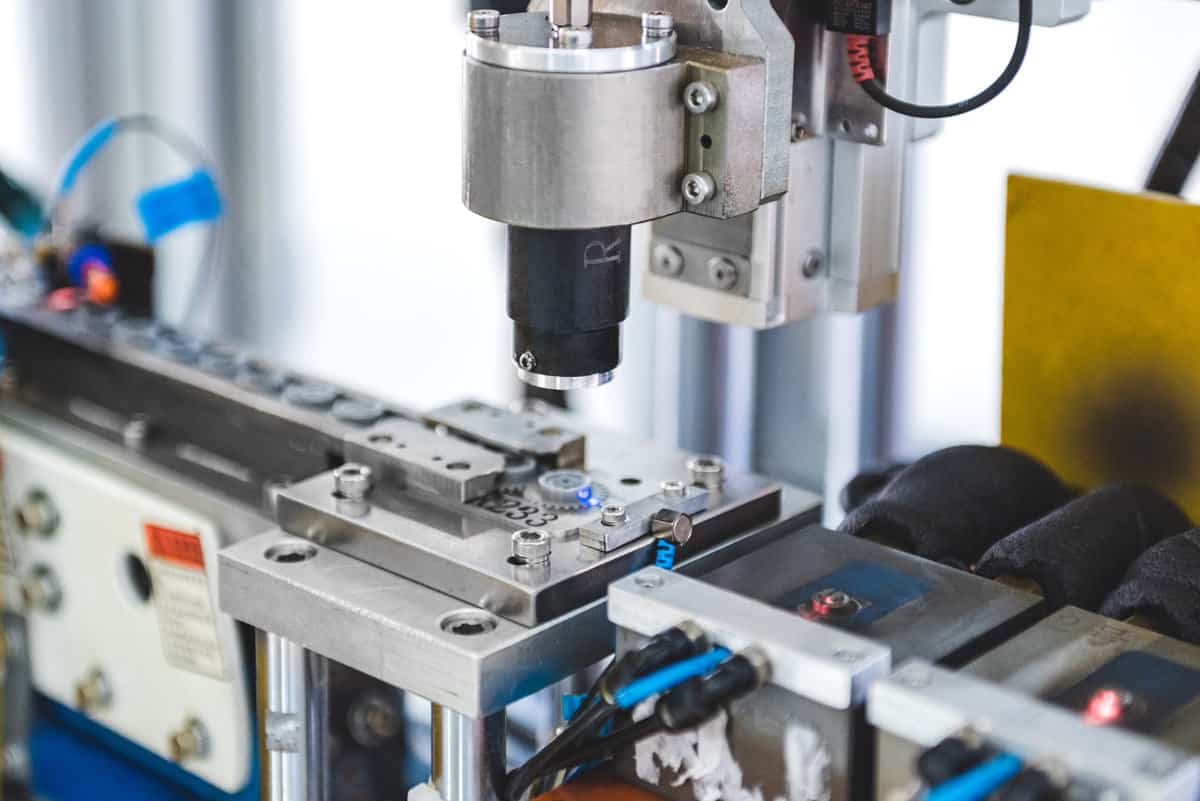
What we build
Six assembly families, one quality system
Every assembly is built to your dimensional drawing, with the magnet grade, coating, adhesive system, and magnetization method documented in the control plan.
Rotor assemblies
Arc segments or ring magnets bonded to your hub or shaft, dynamically balanced to your G-grade spec. SPM and surface-bonded rotor builds for BLDC and servo programs.
Radial multipole rings
Multipole-magnetized radial rings pressed or bonded onto hubs, the compact joint-motor format that humanoid robotics and precision servo designs run on.
Encoder & sensor targets
Diametric discs and multipole target wheels mounted to carriers, with pole-position accuracy specified and verified for magnetic encoder feedback.
Halbach arrays
Linear and ring Halbach arrangements assembled in-fixture, where segment orientation and bonding sequence decide whether the array meets its flux map.
Over-molded carriers
Magnets insert-molded or potted into plastic carriers and housings, sealed against the environment and ready for your line with no magnet handling required.
Bonded holding assemblies
Pot magnets, fixture plates, and custom holding assemblies built around sintered NdFeB where the bracket, thread, and coating are part of the spec.
Why buy the assembly, not the magnet
A cheaper magnet is not a cheaper rotor
Per-kilo magnet pricing hides the engineering cost that lands on your line: incoming inspection of magnetized parts, adhesive qualification, balancing rework, and tolerance disputes between three suppliers. Buying the qualified sub-assembly moves that work, and the accountability for it, to us.
The tolerance stack-up is engineered once
When the magnet supplier also builds the assembly, magnet tolerance, adhesive gap, and carrier machining are designed together instead of being discovered at your incoming inspection.
One incoming part number
You inspect one assembly to one drawing, instead of receiving magnets, adhesive, and hardware separately and owning the integration risk yourself.
Adhesive qualified by the people who chose the magnet
Bond strength depends on coating, adhesive, preparation and duty. Agree qualification of the actual bond line and the required test records.
Magnetize after assembly
Where the design allows, assemblies are built unmagnetized and magnetized in-fixture at the end. Your line handles no magnetized parts, the assembly stays clean and pole placement is accurate.
Export paperwork on the assembly
Confirm the finished-item classification, destination, end use and any licensing requirements before agreeing the shipping plan.
How a program runs
From assembly drawing to PPAP in five steps
- 01
DFM review
Send the assembly drawing. We review magnet geometry, bond gaps, carrier material, and magnetization method, and flag anything that will cost money before tooling does.
- 02
Magnet + bonding plan
Grade selection, coating matched to the adhesive system, and a bonding and curing plan rated to your operating temperature.
- 03
Fixtures and pilot build
Assembly and magnetization fixtures built, pilot lot produced, dimensional and flux results documented against the drawing.
- 04
Balance, magnetize, verify
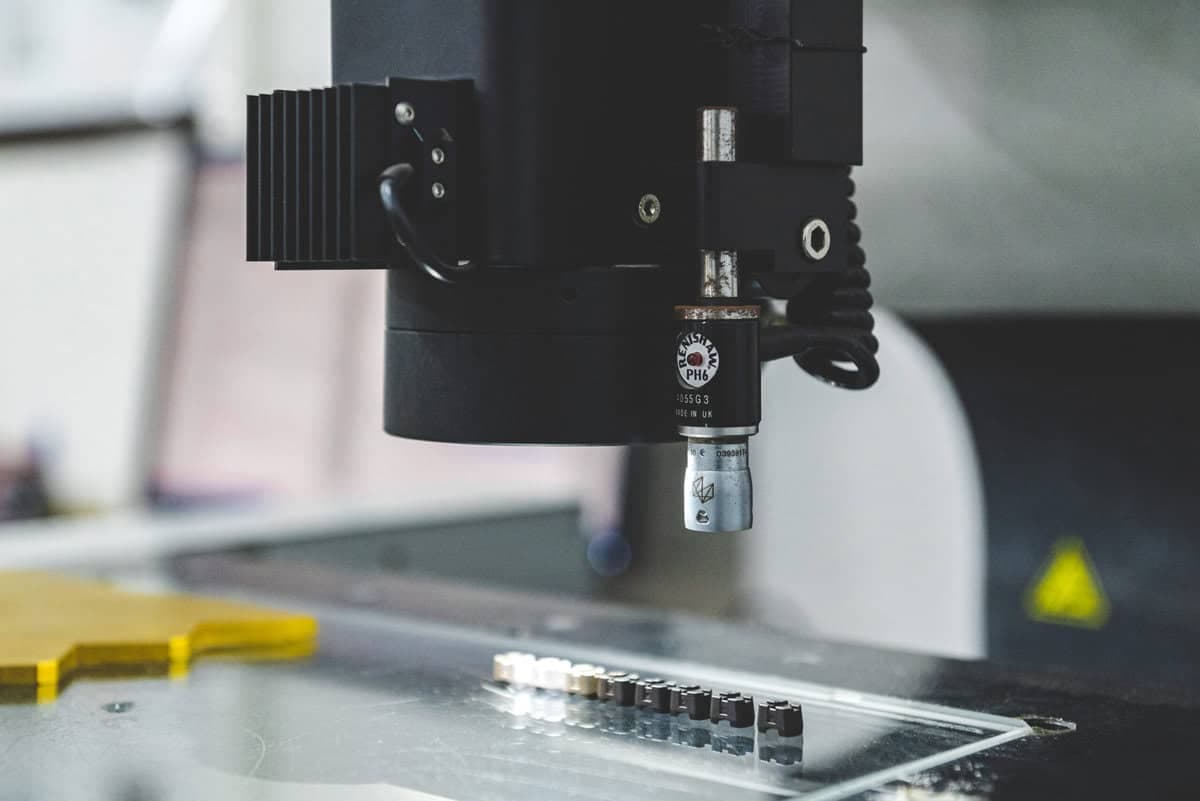
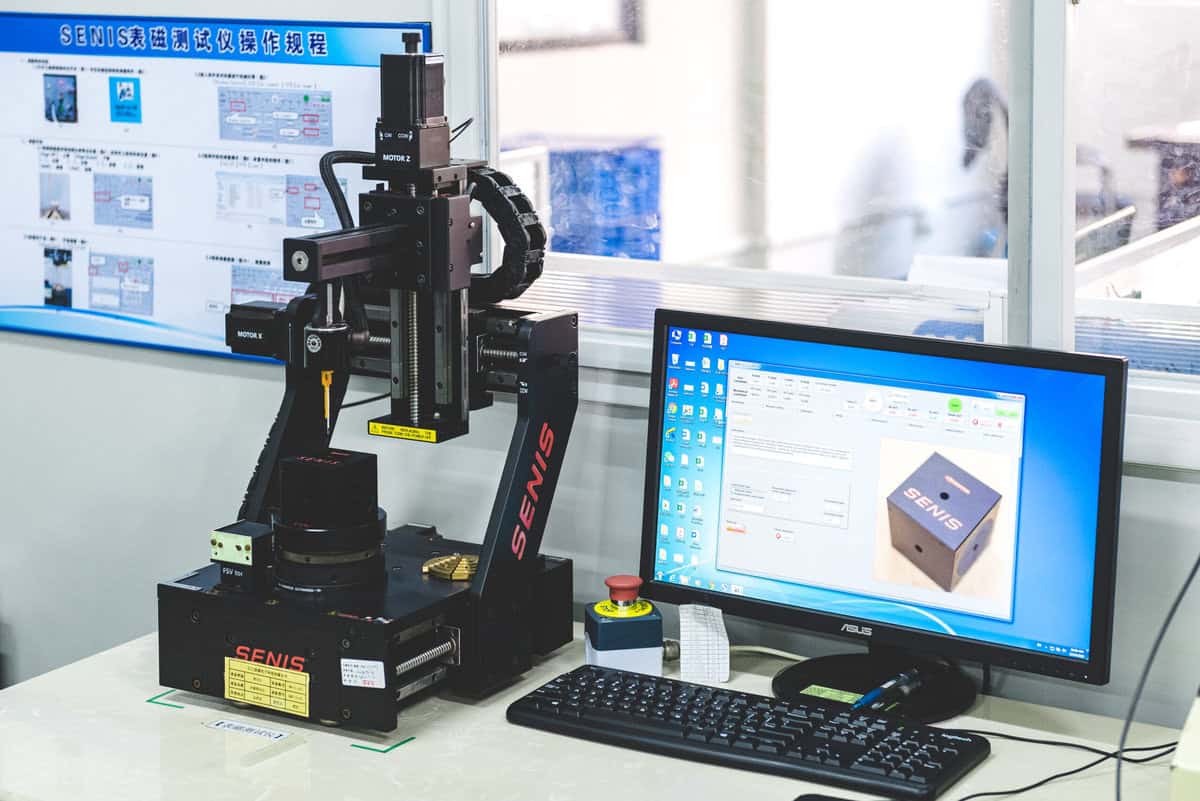
Dynamic balancing to spec, in-fixture magnetization where the design allows, flux mapping and pull-test verification per the control plan.
- 05
PPAP and production
Agree the submission level, lot records and call-off schedule for the qualified production route.
Verified, not asserted
Every assembly leaves with data behind it
What to send for a quote
The more of this you include, the faster the quote. Pricing follows within 2 business days; a human replies within 1.
- Assembly drawing (STEP or PDF), or the magnet drawing plus the mating parts
- Magnet spec if you have one, or the flux / torque target if you don't
- Operating temperature and environment
- Annual volume and target price, if you can share them
- Required documentation level (PPAP, IMDS, material certs)
No drawing yet? A flux or torque target and your envelope is enough to start.
Send Your DrawingQuestions buyers ask
Assembly programs, answered straight
Do you manufacture the assemblies yourselves?
Mainrich coordinates engineering, quality requirements and delivery through the production network we hold stakes in. The supplying entity, production route, inspection plan and certificate scope are confirmed for the assembly.
Can you work from just a torque or flux target?
Yes. If you have the envelope, the operating temperature, and the performance target, we propose the magnet grade, geometry, and assembly method. We confirm the scope and timing of the engineering review in our reply.
Are assemblies affected by Chinese export licensing?
Review the finished assembly, material composition and transaction. Some deeply processed rotor and stator constructions are generally outside the April 2025 listed-item controls; other items may require licensing. Confirm construction, composition, destination and end use before shipment.
What volumes do you support?
Prototype and qualification lots are normal, and single-piece samples are fine. The magnet production minimum is about 5,000 pcs for Dy/Tb-free sintered NdFeB grades, depending on weight and size; assembly volumes are confirmed in the quotation.