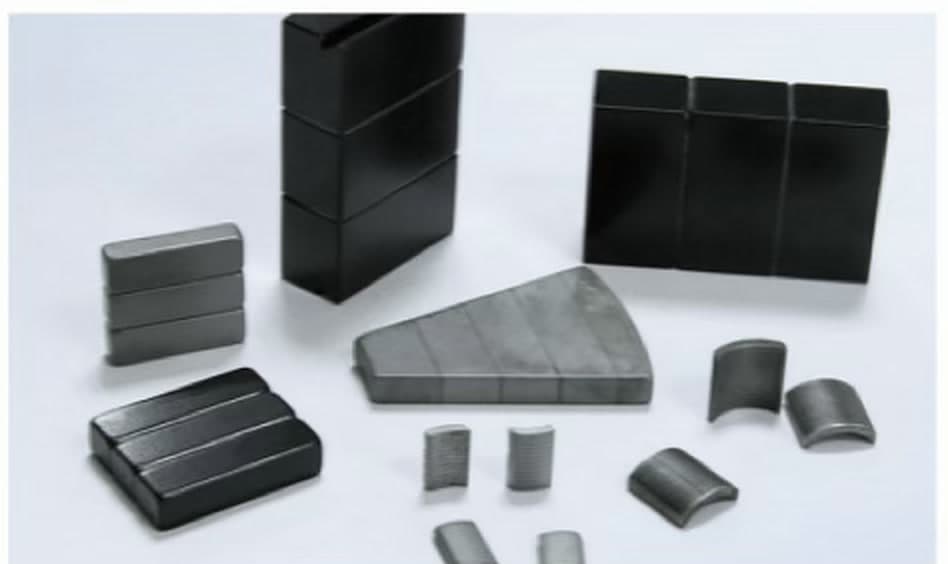
| Rotor topologies | SPM / IPM / multipole ring |
|---|---|
| Magnet profiles | Arc / bread-loaf / block / ring |
| Standard finishing | ±0.05 mm class |
| Precision grinding | ±0.02 mm class where supported |
| Flux matching | ±2% maximum per pole where specified |
| Temperature classes | SH / UH / EH for continuous duty |
| Encoder feedback | <±3° deviation, 100% inspected |
| Assembly option | Bonded, magnetized, mapped, and balanced |
Servo rotor magnets.Ground, matched, and released.
Precision servo and permanent-magnet synchronous motors use NdFeB arc segments, bread-loaf profiles, or multipole rings to control the air-gap field and torque ripple. Mainrich supplies the rotor magnets, low-deviation encoder targets, or a finished rotor assembly, with grade and tolerance selected from the complete duty cycle.

Control geometry and flux as one rotor set.
Variations in radius, thickness, chord width, pole strength, and concentricity disturb the air-gap field. Servo programs therefore need matched dimensional and magnetic release criteria, not a generic magnet tolerance.

Mainrich confirms ±0.02 mm class capability against the actual radius, thickness, width, coating, and measurement datum. Finished rotor delivery moves the bond gap, hub fit, magnetization, and balance into the same release plan. Mainrich engineers and quality-controls that release through a four-site production network in which it holds equity stakes.
Review finished rotor assembliesCompare broader DC and BLDC motor magnet paths, select from the N30 to N58 NdFeB production range, or review industrial automation applications.
Match the profile to the field target.
Arc segments, bread-loaf profiles, and multipole rings solve different air-gap, tooling, cogging, and assembly problems. Mainrich reviews the rotor cross-section before the profile is released.
Flexible tooling for SPM rotors.
Precision-ground inner and outer radii control fit and air gap. Arc segments support prototype changes and a broad range of rotor diameters without committing the program to a one-piece ring tool.
- Best fit
- Prototype to medium volume
- Primary control
- Radius, thickness, chord
Shape the field at the pole face.
A flat mounting face and curved pole face vary magnet thickness across the segment. That profile can move the air-gap field toward a more sinusoidal distribution and reduce cogging without a skewed stator.
- Best fit
- Low-cogging SPM servos
- Primary control
- Profile + pole symmetry
One concentric magnetic component.
A multipole ring replaces a bonded segment set and removes segment gaps from the rotor. It can simplify automated assembly where pole placement, concentricity, and repeatable field waveform justify the tooling path.
- Best fit
- Compact higher-volume rotors
- Primary control
- Pole position + waveform
Specify from peak rotor temperature.
Continuous servo duty combines heat soak with peak-current demagnetizing fields. Grade selection follows the worst-case magnet temperature and load line, then adds margin below the material-class ceiling.

The suffix alone does not define a safe motor.
Verify what the servo loop will feel.
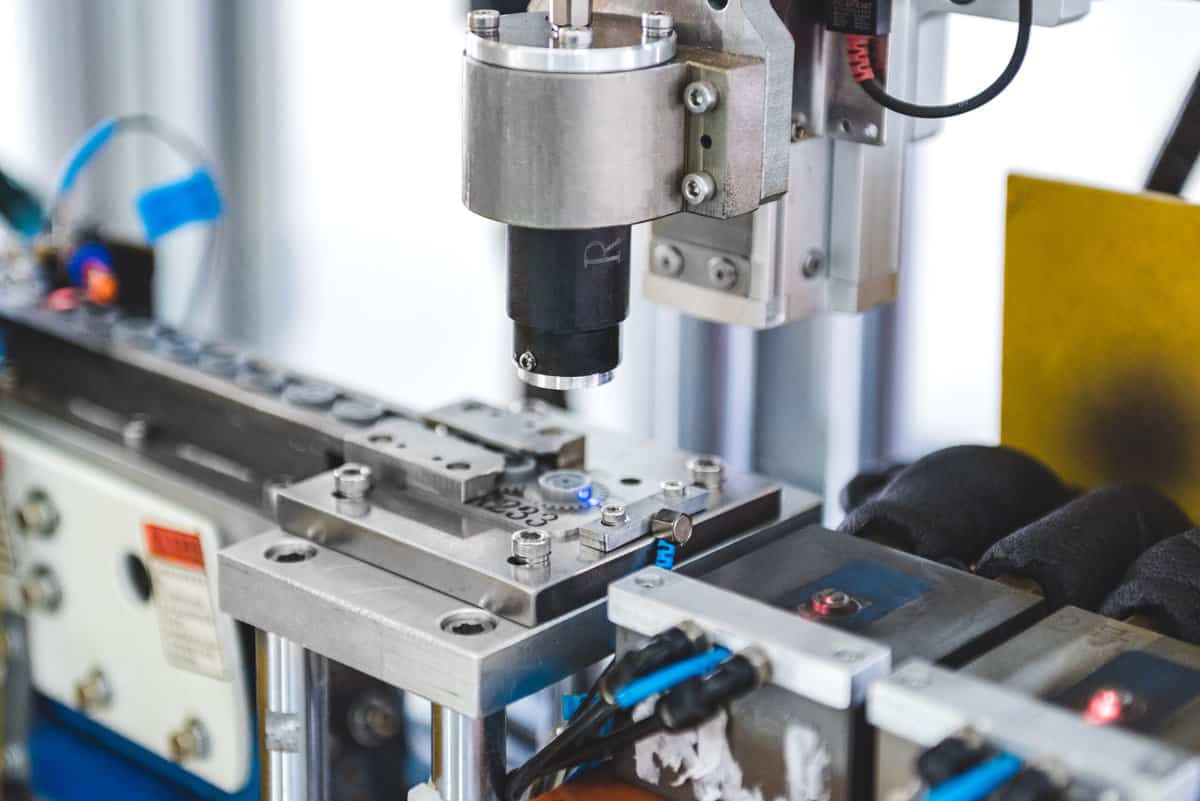
Dimensional fit, pole-to-pole flux, encoder field angle, and final rotor output are released against one control plan.

Hold the critical air-gap surfaces.
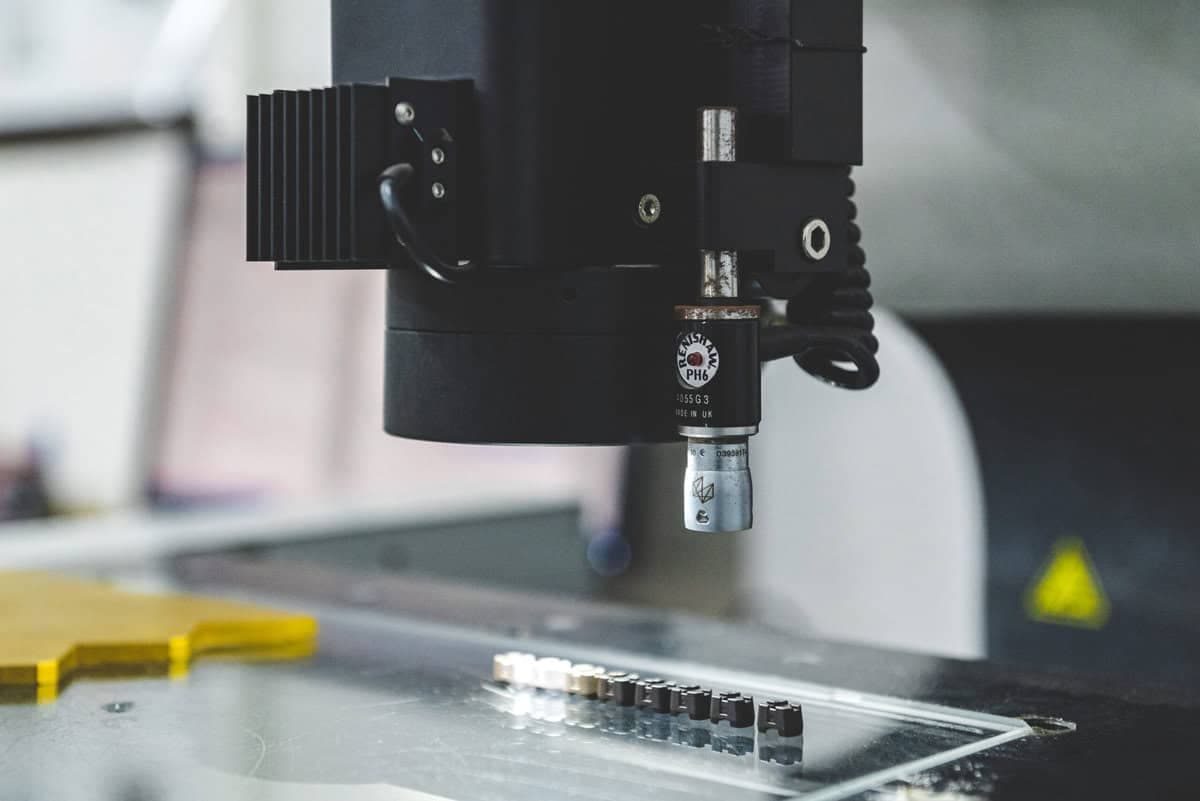
Supported geometries can be precision-ground to the ±0.02 mm class. Inspection follows the drawing datums for radius, thickness, chord width, and concentric features.

Match torque poles and feedback targets.
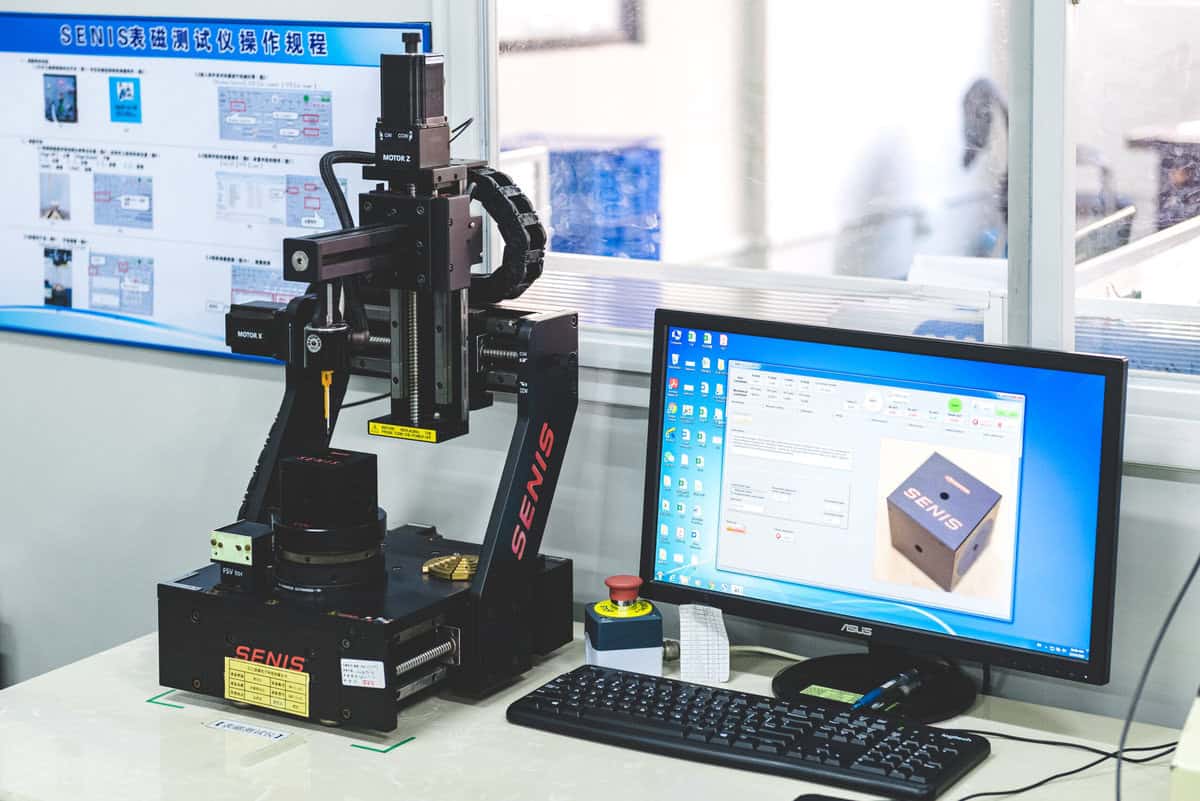
Rotor sets can be binned to a per-pole flux criterion. Sensor-grade encoder rings or discs with deviation below ±3° are 100% inspected after magnetization.

Release the complete rotor when required.
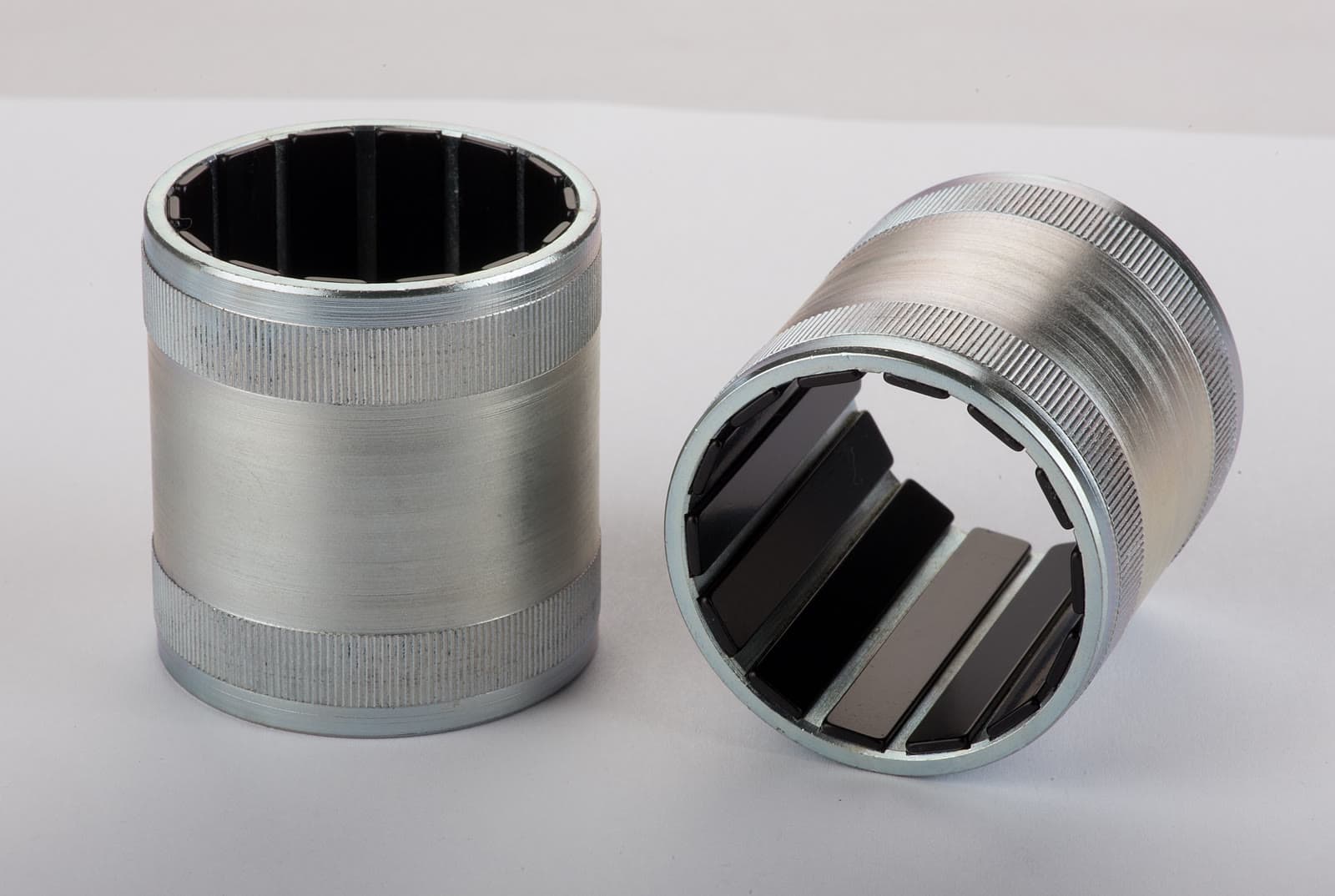
Coating and adhesive are selected together, then magnets are bonded to the hub or shaft. Magnetization, flux mapping, and dynamic balancing can be completed before shipment.
Review the finished assembly pathBefore the rotor drawing is released.
These questions usually determine the final shape, grade, tolerance, feedback target, and assembly scope.
Should a servo rotor use arc segments, bread-loaf profiles, or a multipole ring?
Arc segments are a flexible path for prototypes and medium-volume surface-mounted PMSM rotors. Bread-loaf profiles use a flat base and curved pole face to shape the air-gap field. Multipole rings improve concentricity and remove segment-bonding work, which can suit compact, higher-volume designs. The final choice follows the rotor geometry, cogging target, tooling plan, and annual volume.
Can Mainrich hold ±0.02 mm tolerances on servo magnets?
Precision grinding to the ±0.02 mm class is supported on suitable geometries and dimensions. Standard finishing is typically ±0.05 mm. Critical radii, thickness, chord width, concentricity, and measurement method should be identified on the drawing so capability can be confirmed before tooling.
Which temperature class is appropriate for continuous servo duty?
Select the class from peak magnet temperature, continuous duty cycle, peak-current demagnetizing field, cooling, and the motor load line. SH, UH, and EH classes have nominal ceilings of 150°C, 180°C, and 200°C, but those ceilings are not target rotor temperatures. The working design needs margin below the class limit.
Can the encoder feedback magnet be supplied with the rotor set?
Yes. Mainrich can supply sensor-grade ring, disc, or multipole target magnets for encoder feedback. Deviation below ±3 degrees is available with 100% post-magnetization inspection, provided the pole pattern, air gap, sensor position, and target field are defined.
Can Mainrich deliver a finished servo rotor assembly?
Yes. Arc segments or a ring magnet can be bonded to the customer hub or shaft, with coating and adhesive selected together. Magnetization, flux mapping, dimensional release, and dynamic balancing can be included in the assembly control plan.
Get a manufacturable servo magnet path.
Send the rotor cross-section, peak temperature, duty cycle, pole count, tolerance targets, and annual volume. A human responds within 1 business day. Pricing follows within 2 business days.